 Softa
SoftaSymptoms
Perimenopause hair loss: why it happens and what to do about it
Thinning hair during perimenopause is common and hormone-linked. What's typically happening, what to track, and when sudden or patchy loss needs a doctor.
Softa editorial team · Last updated: September 28, 2026 · 5 min read · Medical review pending
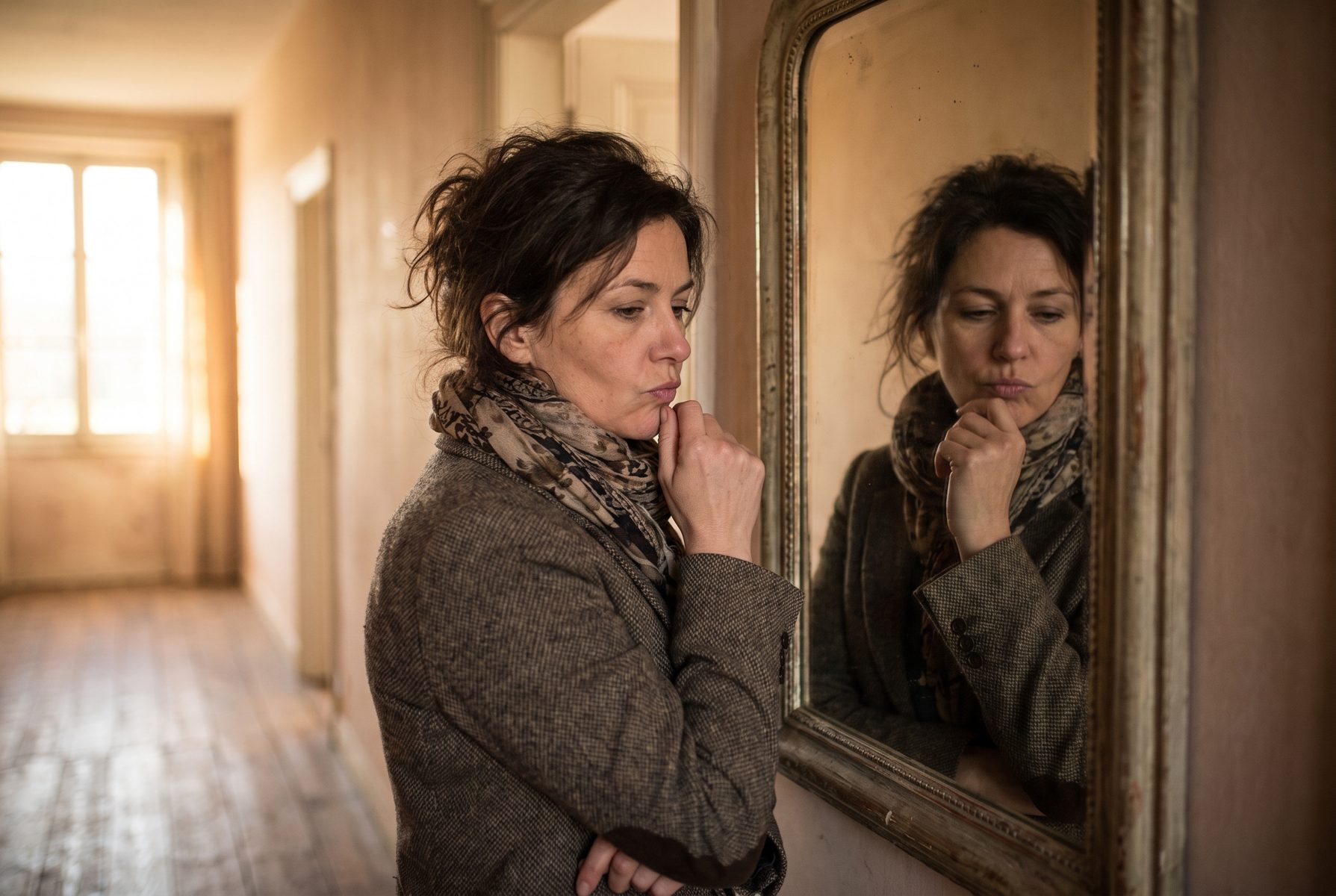
Thinning hair or increased shedding is a common perimenopause complaint, and it's usually gradual and diffuse — spread across the scalp — rather than sudden or patchy [1]. Declining and fluctuating estrogen and progesterone shorten hair's growing phase, so more strands rest and shed than before [1]. Gradual thinning over months is typically hormone-related; sudden, patchy, or clumped hair loss is different and worth a clinician's look.
This page was written by the Softa editorial team using Cleveland Clinic guidance. It has not yet been clinically reviewed — see the note above the article.
Why perimenopause affects hair
Estrogen and progesterone help keep hair in its growing (anagen) phase for longer, which is part of why hair often feels fuller during years when those hormones are higher and steadier [1]. As levels decline and fluctuate during perimenopause, more hairs shift into the resting and shedding phase at once, which can show up as thinning, a wider part, or more hair in the shower drain or hairbrush [1].
This is a hormone-linked pattern, not a sign that something is broken. Cleveland Clinic notes hair thinning and shedding are common changes during this transition, alongside other skin and hair effects tied to the same hormone shifts [1].
Gradual thinning vs. patchy or sudden loss
| Pattern | What it usually points to | What to do |
|---|---|---|
| Gradual, diffuse thinning over months | Commonly hormone-related, tied to perimenopause | Worth tracking; mention at a routine appointment if it bothers you |
| Sudden, patchy bald spots | Not a typical perimenopause pattern — could be alopecia areata or another cause | See a clinician; a dermatologist can help pin down the cause |
| Hair coming out in clumps, or a sudden dramatic increase in shedding | Can follow illness, stress, a big life event, or other causes (telogen effluvium) | Worth a clinician visit, especially if it started abruptly |
| Thinning with other new symptoms (fatigue, weight changes, temperature sensitivity) | Could point to a thyroid issue, not just perimenopause | Mention all the symptoms together to a clinician |
The shape of the loss — gradual and even, versus sudden and patchy — is one of the most useful things you can describe at an appointment.
What's worth tracking
- When you first noticed a change, roughly
- Whether it's spread across your scalp or in one or more specific patches
- Anything else new around the same time (fatigue, weight or temperature changes, stress, illness)
- Whether it's stayed steady, gotten worse, or started to settle
A rough timeline is often more useful to a clinician than a precise count of hairs — nobody expects you to count strands.
Notice the pattern, not just the worry Softa can help you log when hair changes started alongside other symptoms and cycle changes, so you have a clearer story to bring to an appointment — not a diagnosis of the cause. Start the check →
What actually helps, honestly
There's no supplement or treatment that reliably reverses hormone-related thinning on its own, and Softa doesn't recommend or sell any hair treatment. A dermatologist can help identify the specific cause of increased hair loss and discuss options with you directly — this is a conversation to have with a clinician, not a decision to make from a blog post [2]. Gentle hair care (avoiding excessive heat or tight styling while shedding is active) is a reasonable, low-risk habit, but it won't address a hormonal cause on its own.
When to see a clinician
See a clinician, and ideally a dermatologist, if hair loss is sudden rather than gradual, appears in distinct patches rather than spread evenly, comes out in clumps, or is accompanied by scalp redness, itching, pain, or scarring. It's also worth a visit if thinning arrives alongside other new symptoms — unexplained fatigue, weight change, or feeling unusually cold or hot — since these can point to a thyroid condition that needs its own evaluation, separate from perimenopause [1]. A clinician can examine your scalp and, if needed, order bloodwork to look for causes beyond hormones.
For the wider symptom picture during this transition, see perimenopause symptoms. If fatigue is part of what you're noticing alongside hair changes, perimenopause fatigue covers that pattern. And the am I in perimenopause checklist is a calmer starting point if you're trying to see how several changes fit together.
It's a real change, not a vanity complaint
Hair thinning can feel like a bigger deal than people around you seem to think it is, especially if you're told it's "just part of aging" and left there. It's reasonable to want to understand what's happening and what your options are — that's not vanity, it's a real, visible change to your body during a transition that already asks a lot of you. You don't need to justify caring about it to get a clinician to take it seriously.
Sources
- Cleveland Clinic. Here's How Menopause Affects Your Skin and Hair. Accessed 2026. health.clevelandclinic.org/heres-how-menopause-affects-your-skin-and-hair
- Cleveland Clinic. Hair Loss in Women: Causes, Treatment & Prevention. Accessed 2026. my.clevelandclinic.org/health/diseases/16921-hair-loss-in-women
FAQ
Is hair loss a normal part of perimenopause?
Gradual, diffuse thinning is a commonly reported change during perimenopause, linked to declining and fluctuating estrogen and progesterone [1]. Sudden or patchy loss is a different pattern and worth a clinician's evaluation.
Why does perimenopause cause hair thinning?
Estrogen and progesterone help keep hair in its growing phase longer. As those hormones fluctuate and decline, more hair shifts into shedding at once, which can show up as thinning over months [1].
How do I know if my hair loss is hormonal or something else?
Gradual, even thinning fits a hormonal pattern. Sudden loss, distinct bald patches, clumping, or scalp symptoms like redness or pain don't — those need a clinician, ideally a dermatologist, to identify the cause [1].
Can thyroid problems cause hair loss during perimenopause?
Yes — thyroid conditions can cause hair thinning and can occur around the same time as perimenopause. If hair changes come with fatigue, weight change, or temperature sensitivity, mention all of it together to a clinician [1].
Will my hair grow back?
It depends on the cause, which is why identifying it matters. A dermatologist can discuss realistic options once they know what's driving the change — Softa doesn't recommend hair treatments or predict outcomes.
Medical disclaimer: Softa is not a medical device and does not diagnose or treat hair loss or perimenopause. This content is for education only. Talk to a qualified clinician, ideally a dermatologist, about persistent or unusual hair loss.